
What we learned from six residencies
What changes when improvised music is made in a school, a neighbourhood shop or a mountain village? Between 2023 and 2026, Muzzix, Sonoscopia and Unijazz explored this question through six artistic residencies in France, Portugal and the Czech Republic, with support from Creative Europe.
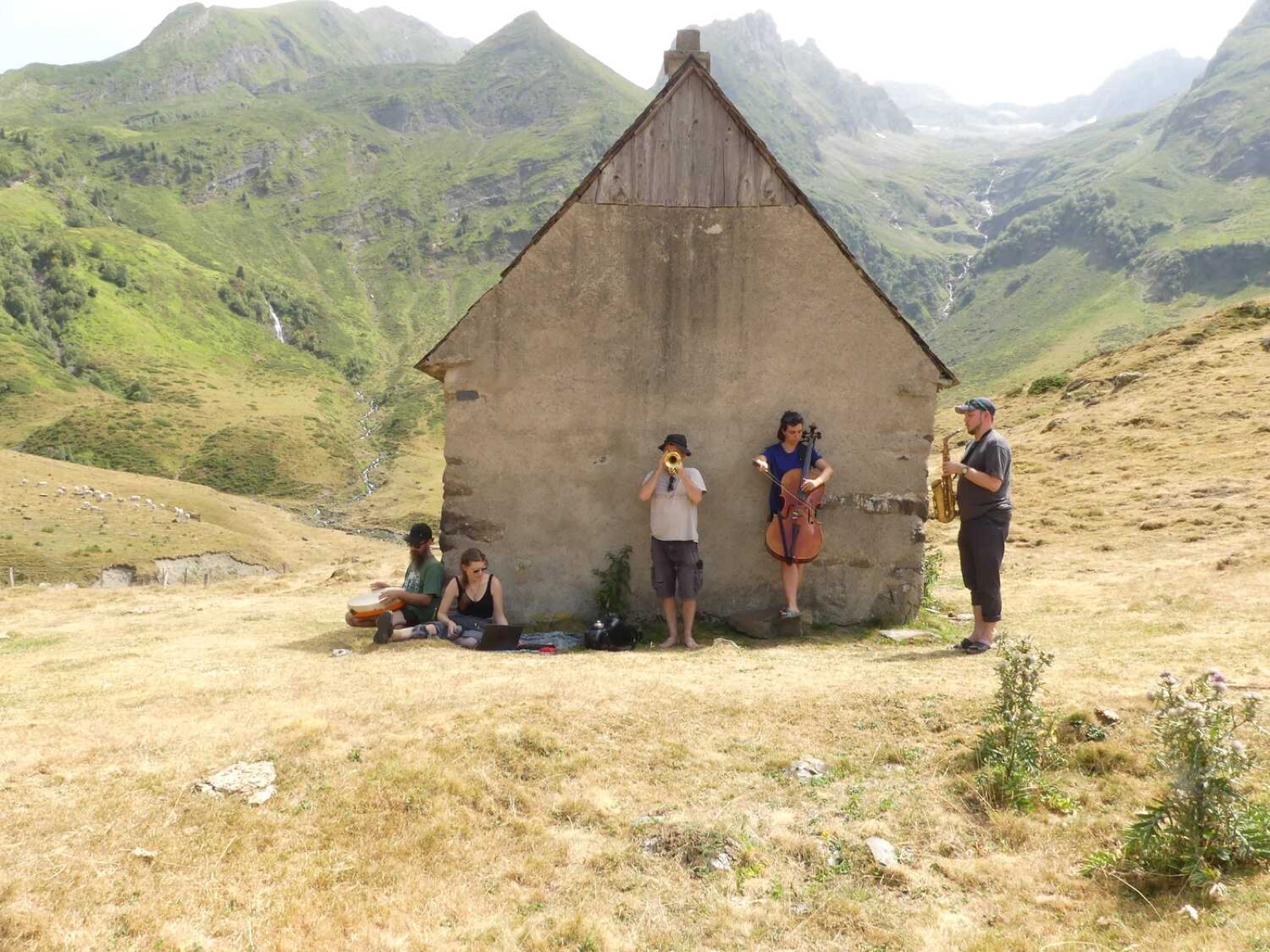
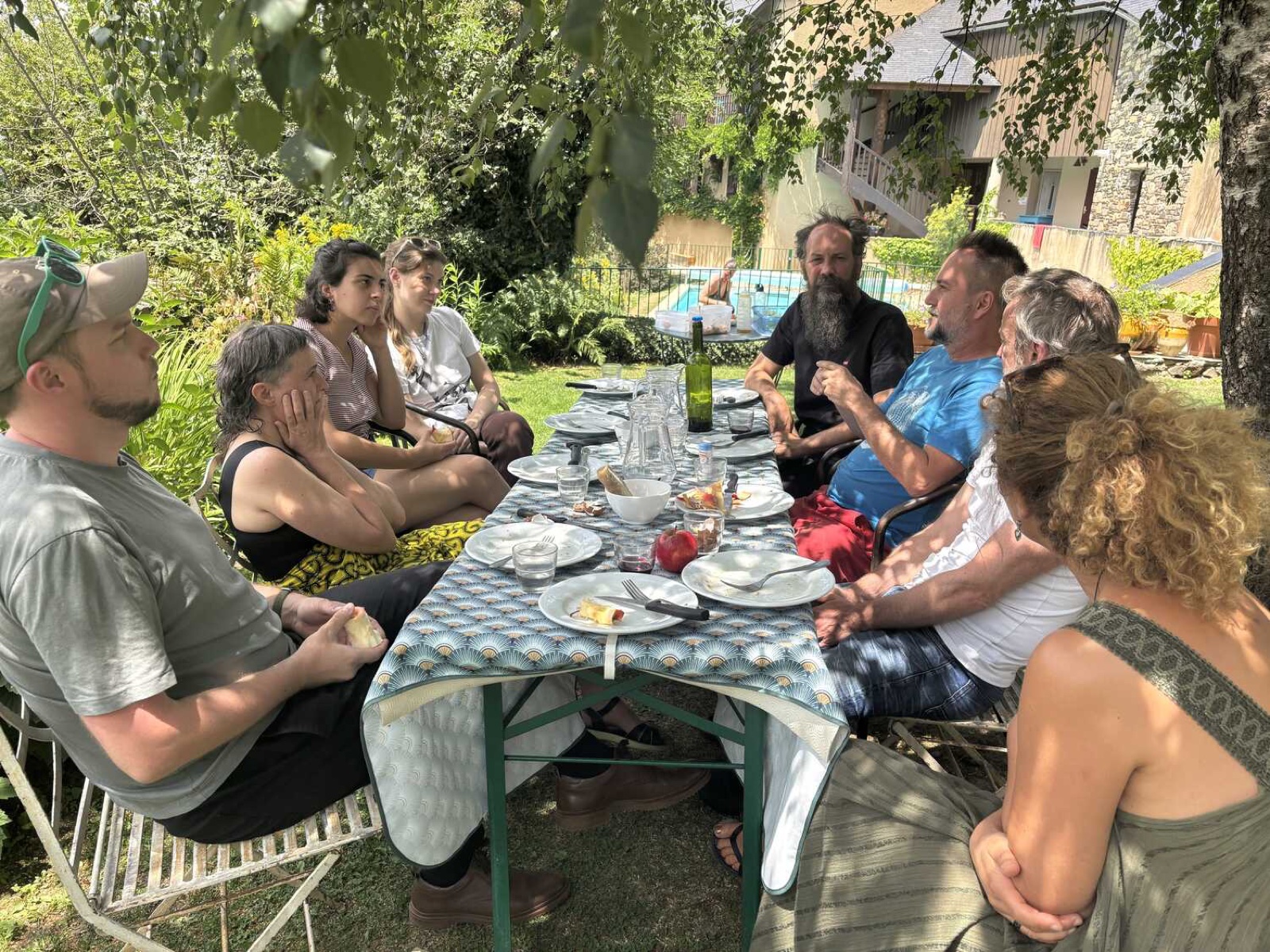
In Lille, the reverberation of the former Sainte-Marie-Madeleine church shaped what musicians could play and how listeners moved through the space. In Germ, the landscape, weather, local history and time spent living together influenced the work. The Centre de Montagne de Germ helped shape the residency by making spaces available and bringing the artists into contact with people who live and work there.
“This week was built on shared life before it became shared sound.”
Biliana Voutchkova, artist, Germ residency
From listening to making music together
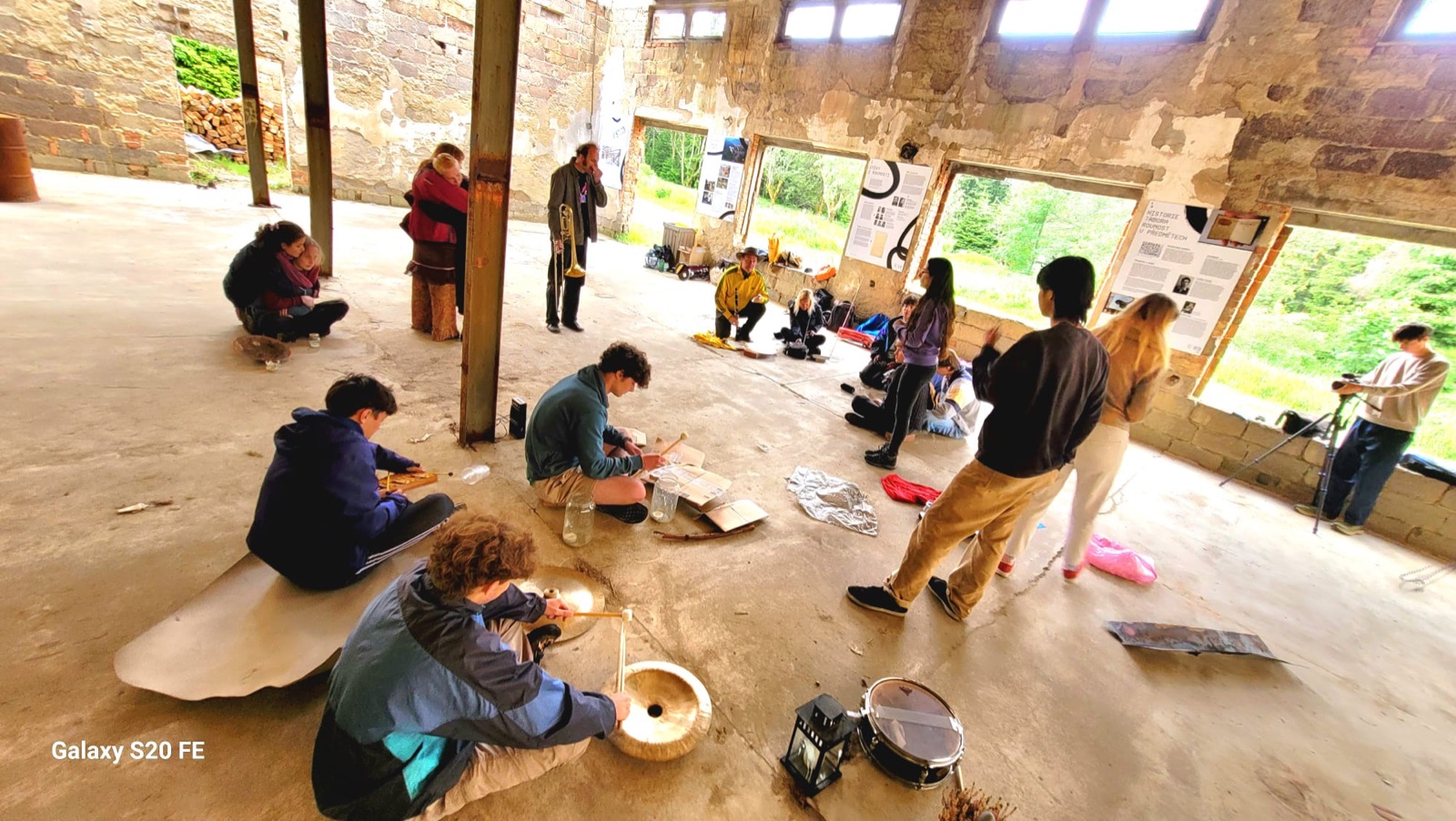
ACCESS explored several ways to take part. Listeners could move through a space and choose where and how to listen. Some performances invited people to take part as the music unfolded. In the two Czech residencies, secondary-school students helped create the work itself.
In 2026, students and artists gathered material during a school expedition to Jáchymov and used it to develop performances and installations throughout the school in Prague. Students described hearing familiar sounds differently and discovering new possibilities for their work. The residencies also showed how much time shared creation takes. Artists and students need time to get to know one another, try out ideas and decide together what to develop.
Explore Prague 2024 and Prague and Jáchymov 2026.
Making music in the neighbourhood
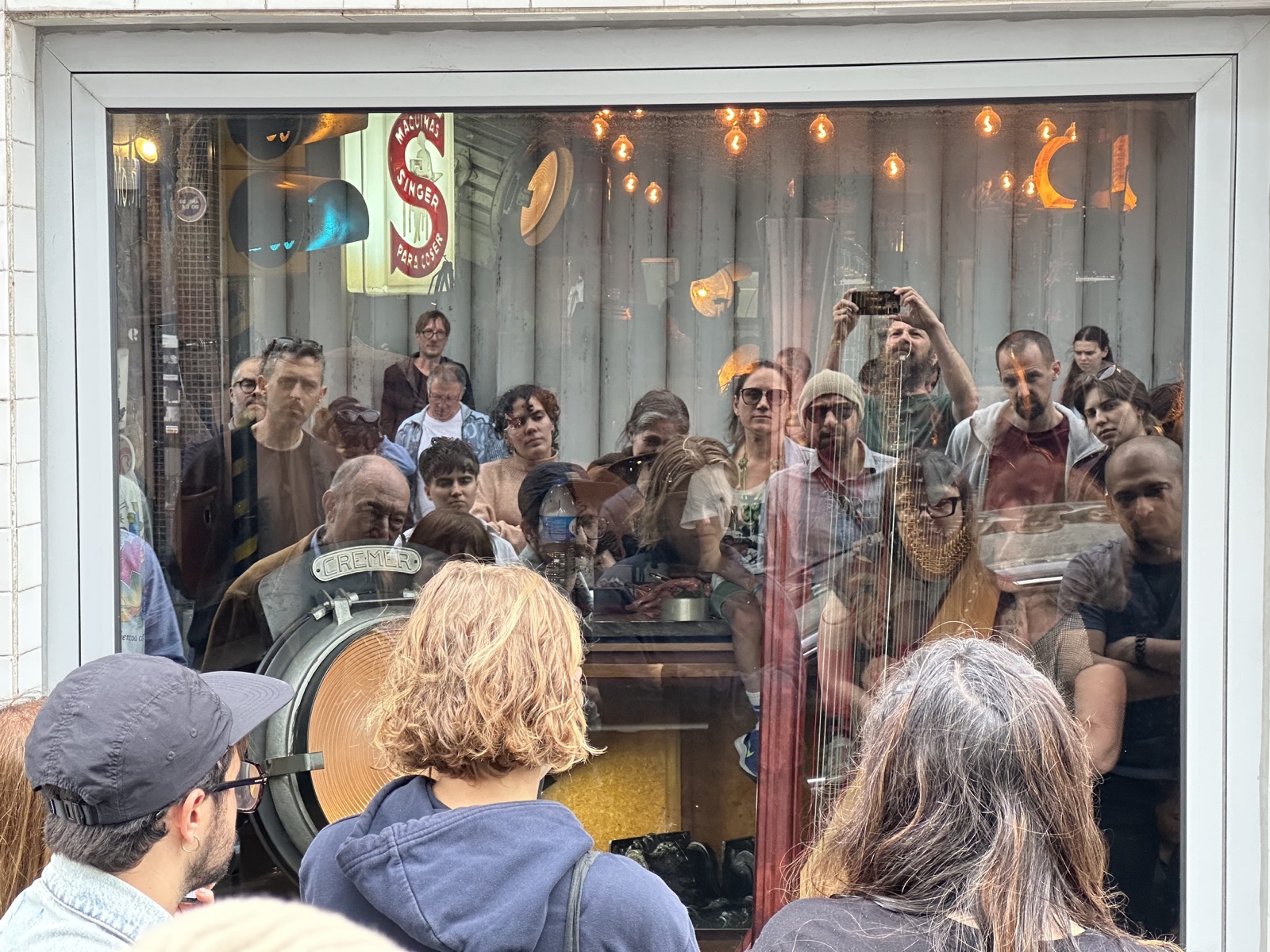
In Porto, Sonoscopia worked with residents and local businesses around Rua Silva. A café, a laundry and other everyday spaces hosted short performances, bringing experimental music into places people already knew and used. Several businesses that took part in 2025 returned in 2026, and new partners joined them.
Sonoscopia’s ongoing relationships in the neighbourhood helped artists meet residents and find ways of working that fitted the daily life of the street. Shared meals also gave neighbours, artists and visitors time to talk. Some people attending the final presentation in 2026 were visiting Sonoscopia for the first time.
Explore Porto 2025 and Porto 2026.
What makes these projects possible?
The research team drew on observations, interviews, conversations and questionnaires. Findings from the first cycle informed the second, including the decision to give students and artists more time to work together during the 2026 Czech residency.
Across the six residencies, the findings point to a few practical conditions. Start conversations with local partners early and work with their schedules. Give artists time to build trust, get to know the place and adapt their plans. Set aside time and resources for the people who connect artists with schools, residents and other local partners throughout the residency.
The report includes planning timelines for working with schools, neighbourhood partners and places outside conventional music venues. It also identifies directions for future work, from sharing skills among improvising artists to exploring more inclusive ways to create music and reimagine shared urban spaces.